Line of sight in plain terms — how the radio link works, why trees and ridgelines matter, and the ways we solve tricky parcels.
When you ask us about service, the first thing we want to know is what your property can “see.” That can sound like a strange question for an internet company. Here’s what we mean, why it matters, and what we do when the view isn’t perfect.
A radio is just a flashlight
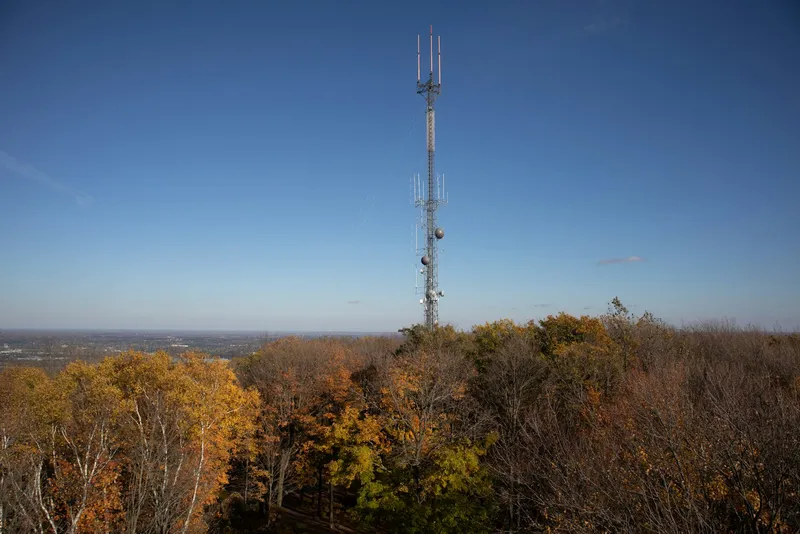
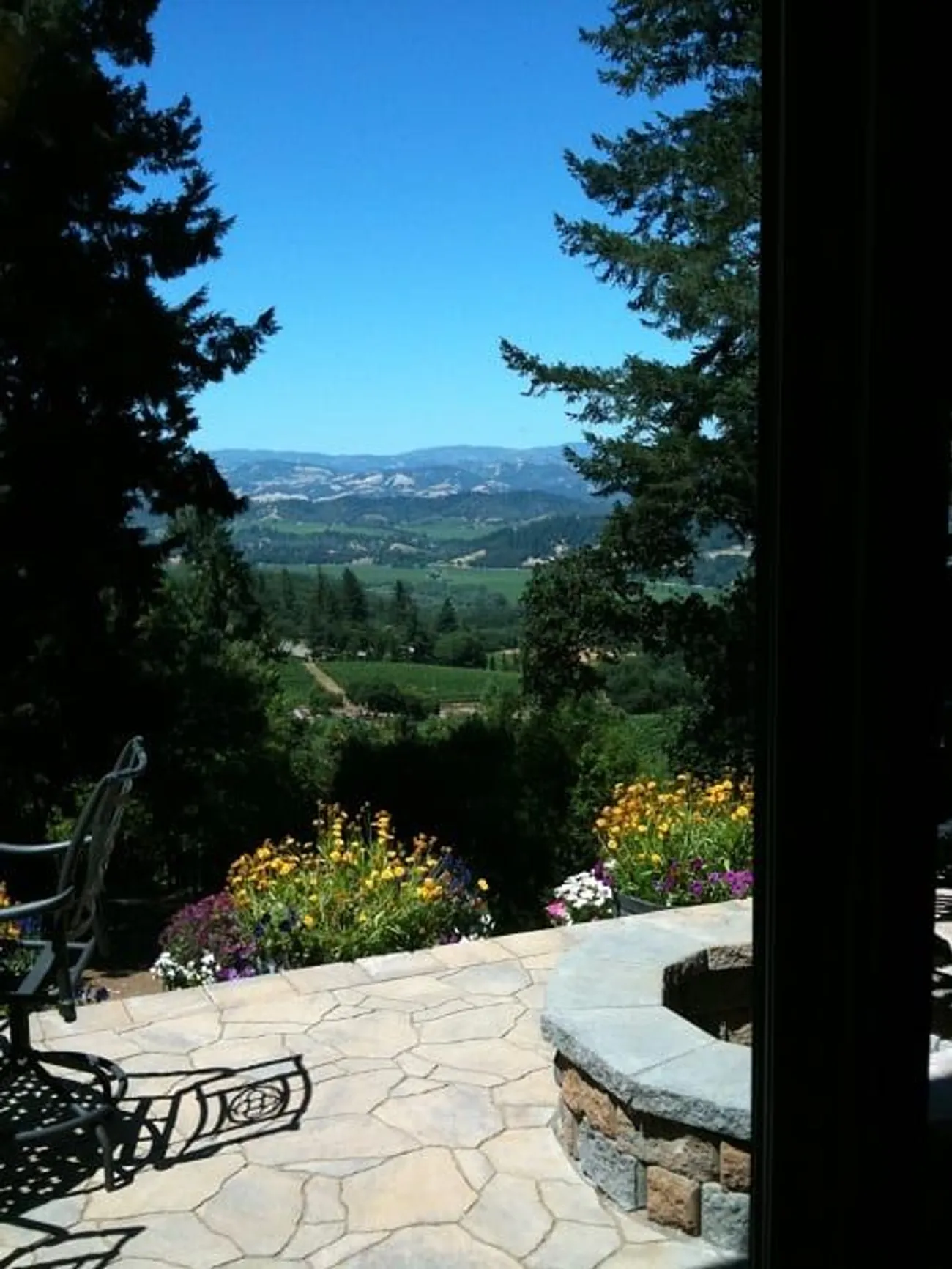
Think of the radio on your roof like a flashlight pointed at one of our towers on a nearby hilltop. If you can draw a clean, unobstructed line from your mount point to that tower, the link works and the light gets through. That’s line of sight.
Fixed wireless isn’t satellite — it doesn’t bounce off the sky. It’s a direct shot across a few miles of Sonoma County terrain, from your place to ours. So the question isn’t “is there a tower nearby,” it’s “can your spot actually see the tower.”
Why trees and ridgelines are real
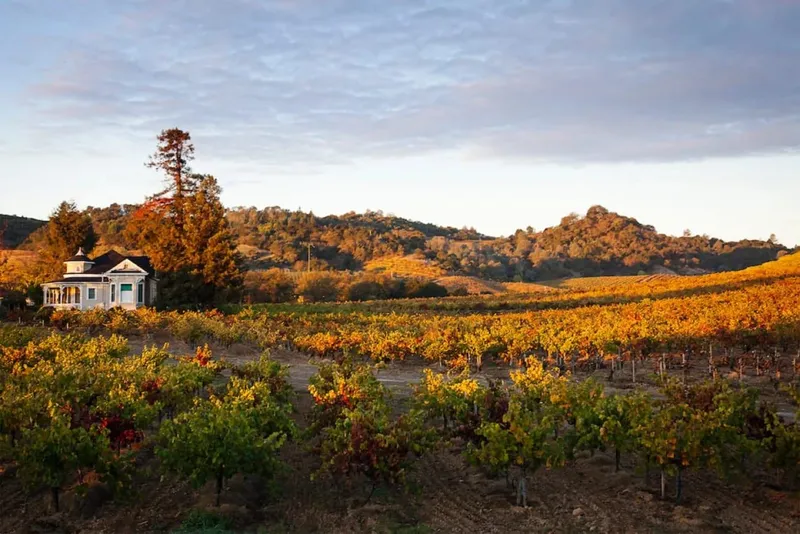
The honest limit of wireless is that solid things block the beam. A ridgeline between you and the tower is the big one — radio waves don’t go through a hill. If a Geyserville knoll sits squarely in the path, we have to find a different tower or a different mount.
Trees are the sneaky one. A clear shot in winter can fill in by July when the oaks and firs leaf out, and a tall stand can soften or scatter the signal. We plan for the leafy season, not the bare one, so your connection holds up all year.
Buildings, water tanks, even a neighbor’s new shop can get in the way too. The path matters more than the distance.
How we figure out your view
We start before anyone drives out. Using your address and elevation data, we can model the likely path between your property and our nearest sites and get a strong first read — that’s what powers our Check My Address tool.
Then a local tech confirms it in person. They’ll walk the property, check a few candidate mount spots, and often raise a radio on a pole to test the actual signal before anything gets bolted down. We’d rather find the catch on a test than after you’ve signed up.
What we do when the view is tricky
A blocked shot from the roof is the start of the conversation, not the end. Plenty of “no line of sight” parcels become easy installs once we get creative. A few of our usual moves:
Go higher
Most line-of-sight problems are solved with a few more feet of height. A taller pole or a mast above the roofline can clear a fence, a low tree, or a neighboring structure and find the tower cleanly.
Move the mount
The best spot for the radio often isn’t the house. A barn roof, a hilltop corner of the parcel, or the high side of the property may have the view the house doesn’t. We’ll run the link from there and bring signal to the house with a wireless bridge or a buried cable.
Use a relay
When a single hop won’t make it, we can sometimes use a relay point — a spot on your land or a willing neighbor’s that can see both the tower and your house — to bounce the connection around an obstacle. It’s more involved, but it has rescued plenty of “impossible” addresses.
Pick a different site
We maintain equipment across Northern Sonoma County, from around Geyserville and Healdsburg out toward Cloverdale and Lake Sonoma. If your view to one tower is blocked, your view to another may be wide open. We check the options, not just the closest one.
The reassuring part
Most properties in our area do have a workable sightline, even ones the owners assumed were hopeless. And when a parcel truly can’t be served well, we tell you straight rather than selling you a connection that’ll frustrate you. We live here; we don’t want an unhappy neighbor.
The only way to know your view is to look at your specific spot. Run Check My Address for an instant read, and we’ll confirm the rest in person — no commitment, no pressure.